How to Ensure SAAS Implementation Success Post-Sale?

In the SAAS world, closing the deal is just the beginning. Unlike one-time software purchases, value is realized not at signing but through daily use. Even the best sales automation platform fails if it’s not properly implemented or adopted by your team.
SAAS environments are complex: sales workflows are tightly coupled, integration requirements are strict, and users range from SDRs to sales managers. Any disruption can be costly, making the post-sale phase critical for long-term success.
What is post-sale phase?
The post-sale phase isn’t just about delivering access credentials and walking away. It’s about making sure the solution actually works, delivers measurable value, and becomes part of daily operations. Key actions include:
- Tailoring the system to fit sales workflows, team structures, and CRM requirements
- Engaging all user groups, from SDRs to account executives to sales ops
- Ensuring alignment with established procedures and data compliance standards
- Tracking performance to quickly address any issues
Neglecting post-sale execution can lead to underused tools, frustrated teams, and reduced ROI. A smooth post-sale journey begins well before the first training session, ensuring fewer delays, higher adoption, and meaningful results.
For platforms like SmartReach.io, which automates cold email sequences, follow-ups, and multi-channel outreach, proper implementation determines whether your team sends 50 emails a day or 500. The difference between abandoned licenses and revenue-generating automation lies in execution.
Laying the groundwork for implementation
Effective post-sale execution relies on two elements: a seamless handover from sales to delivery and collaborative planning with the client.
Seamless handover from sales to delivery
A structured handover keeps everyone aligned and prevents confusion. Key steps include:
- Align expectations – Make sure what was promised during the sale is clear and that the delivery team understands client priorities
- Document goals and KPIs – Outline success metrics, responsibilities, and ownership so everyone knows what to aim for
- Close gaps early – Address any discrepancies between promises and deliverables to minimize surprises during implementation
For example, if your sales team promised SmartReach would integrate with Salesforce and send 1,000 personalized emails daily, the implementation team needs to know:
- Which Salesforce fields map to SmartReach variables
- What email volume can your domain handle without spam flags
- Who owns deliverability monitoring (sales ops vs. customer success)
Planning with the client
Working closely with the client ensures the system fits real-world workflows. Important considerations include:
- Define timelines and milestones – Map out key checkpoints from configuration to full adoption
- Identify internal stakeholders – Determine who will champion adoption and coordinate workflows
- Account for constraints – Factor in technical requirements, operational limits, and team availability
By combining a structured handover with collaborative planning, organizations reduce friction, improve adoption, and increase the chances of a successful implementation.
Change management: Helping teams adapt
Even the best solution can fail if users resist adoption. In SAAS sales, addressing the human side of change is as critical as technical implementation. Resistance is natural, especially in fast-paced sales environments where new tools can disrupt workflows. Teams may worry about extra time, learning curves, or hitting quota during transitions.
Providers like Nortec, Pittsburgh offer 24/7 proactive monitoring, rapid helpdesk resolution, and compliance support that help maintain uptime and confidence in new systems, which in turn supports daily use and adoption.
Proactive engagement can also help establish trust and prevent frustration. Key strategies include:
Internal champions
Identify 2-3 SDRs or AEs who master SmartReach early and become peer mentors. They guide teammates, answer questions during prospecting hours, and model best practices like A/B testing subject lines or optimizing send times.
Leadership buy-in
When a VP of Sales publicly tracks their own SmartReach metrics in team meetings—showing response rates, sequence performance, or booking conversions—it signals that adoption is non-negotiable. Visible support from management reinforces the importance of the tool.
Clear communication
Consistent messaging across teams avoids confusion. For instance:
- “SmartReach replaces manual follow-ups, not relationship-building”
- “You’ll spend 30 minutes daily on setup, but save 2 hours on execution”
- “Week 1 is training; Week 2 is pilot sequences; Week 3 is full rollout”
By addressing concerns early and empowering champions, organizations create an environment where users feel supported, confident, and motivated to adopt new tools.
Driving user adoption
The true value of a solution emerges only when users adopt it effectively. Poor adoption can undermine your investment, while successful adoption multiplies it. Generic training rarely works, learning must be tailored to real workflows.
Role-based enablement
Sessions customized for different user types:
- SDRs: Focus on sequence building, personalization tokens, and daily cadence management in SmartReach
- AEs: Emphasize follow-up automation for warm leads, meeting booking workflows, and pipeline velocity
- Sales Ops: Cover CRM sync, reporting dashboards, deliverability monitoring, and bulk import processes
Scenario-based learning
Real-world examples that make content immediately relevant:
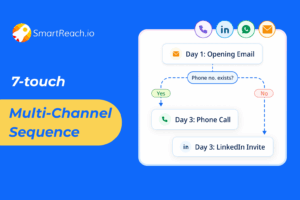
- “Here’s how to set up a 7-touch sequence for SaaS decision-makers”
- “Watch how this SDR books 3 demos weekly using SmartReach’s LinkedIn + email combo”
- “Troubleshooting: What to do when emails land in spam”
Continuous support & feedback loops
Rapid assistance post-go-live, actionable feedback, and iterative improvements:
- Live chat support during first 30 days
- Weekly office hours for troubleshooting
- Monthly check-ins to review metrics (open rates, reply rates, meetings booked)
Timing matters: training is most effective when staff can apply what they learn immediately. Launching SmartReach training on Monday and going live Tuesday ensures reps practice while concepts are fresh. Ongoing support prevents frustration and errors, while strategic feedback ensures insights are actionable without overwhelming teams.
Firms like Power Consulting provide continuous monitoring and managed support, resolving issues before they interrupt workflows, which helps end-users stay confident and systems remain reliable.
By combining targeted training, continuous support, and proactive monitoring, solutions become part of daily practice. SmartReach becomes the tool your SDRs open first thing every morning, not the tab they avoid.
Measuring post-sale success
Post-sale success is measurable. Track indicators that reflect both adoption and impact:
Usage metrics
How often and effectively do staff use the system?
- Login frequency: Are reps accessing SmartReach daily?
- Sequences launched: How many campaigns are live per rep?
- Email volume: Are teams hitting target send volumes (e.g., 200 emails/day)?
- Feature adoption: Are they using A/B testing, dynamic personalization, or multi-channel (email + LinkedIn)?
Value realization
Improvements in efficiency, accuracy, or business outcomes:
- Response rates: Industry average is 1-3%; are you hitting 5-8%?
- Meetings booked: Did SmartReach increase monthly demos from 20 to 50?
- Time saved: If manual follow-ups took 10 hours/week, SmartReach should drop that to 1-2 hours
- Pipeline velocity: Are deals moving faster due to consistent, automated touchpoints?
Goal alignment
Metrics tied to the objectives defined during the sale:
- If the goal was “double outbound capacity,” track emails sent per rep (before vs. after)
- If it were “improve deliverability,” monitor spam rates and inbox placement
- If it were “scale without hiring,” measure revenue per SDR
Regular tracking helps identify gaps early, demonstrates tangible results, and reinforces the solution’s value to the organization. For example, if Week 4 data shows only 40% of reps are using SmartReach sequences, dig into why: Is training insufficient? Are integrations broken? Is the CRM sync causing delays?
Identifying expansion opportunities
Post-sale success naturally creates opportunities for growth. The key is spotting signals without forcing solutions. Clients often indicate readiness through:
- High engagement: Teams maxing out email limits, requesting higher send caps, or asking about additional seats
- Feature requests revealing unmet needs: “Can SmartReach automate LinkedIn messages?” or “Do you have a dialer for follow-ups?”
- Organizational changes: Expanding to new regions, launching new product lines, or hiring more SDRs
Expanding without disrupting trust
Expansion should feel natural and client-centered. Best practices:
- Introduce new offerings only once adoption is well-established
Wait until SmartReach usage stabilizes (3-6 months) before pitching add-ons like advanced analytics or dedicated IP addresses for deliverability. - Present them as ways to solve real problems
Instead of “Upgrade to our enterprise plan,” say: “You’re sending 10,000 emails/month and hitting spam filters. A dedicated IP would improve deliverability by 15-20%.” - Ensure they align with efficiency, compliance, or revenue goals
Expansion ideas for SmartReach customers:- Multi-channel sequences (email + LinkedIn + calls) for accounts stuck in nurture
- Team collaboration features for sales pods working the same territories
- Advanced reporting for sales ops to track rep performance across sequences
Thoughtful, value-driven growth strengthens relationships, builds trust, and drives sustainable revenue. For instance, a customer using SmartReach for cold outreach might naturally expand to warm lead nurture or event follow-up sequences once they see initial ROI.
The role of customer success teams
By this stage, the solution is fully adopted, staff are confident in using it, and measurable outcomes are evident. Without ongoing support, however, customers can struggle, leading to underutilization, frustration, and missed opportunities for growth.
This is where customer success teams make all the difference. They act as long-term partners rather than just a support desk, ensuring continuity across implementation, adoption, and expansion.
What customer success does in practice
- Quarterly business reviews: Analyze SmartReach metrics (reply rates, pipeline impact, ROI) and recommend optimizations
- Proactive health checks: Flag accounts with declining usage (e.g., “Only 2 of 10 reps logged in last week—let’s investigate”)
- Best practice sharing: “Top-performing customers are seeing 12% reply rates using this subject line formula—want to test it?”
- Coordinating cross-functional support: Bridge product, sales, and client teams when feature requests emerge or technical issues arise
By coordinating between product, sales, and client teams, they keep efforts aligned, reinforce value, and build lasting trust. With these teams in place, post-sale success becomes sustainable, measurable, and scalable, transforming short-term wins into enduring partnerships.
For SmartReach customers, a dedicated success manager might notice that a client’s open rates dropped 10% and proactively audit email copy, sender reputation, or domain authentication, fixing issues before the customer churns.
Turning implementation into expansion
Scenario: A 15-person sales team adopts SmartReach to automate cold outreach.
Month 1-2 (Implementation):
- Customer success conducts role-based training (SDRs learn sequencing; sales ops learn reporting)
- Internal champion (top SDR) shares weekly wins in Slack: “Booked 4 demos this week using the ‘3-touch intro sequence’!”
- Metrics tracked: 60% of reps send 100+ emails/day by Week 6
Month 3-6 (Adoption):
- Usage climbs to 85%; reply rates hit 6% (vs. 2% industry average)
- Quarterly review shows 40% increase in qualified leads
- Team requests LinkedIn automation (unmet need identified)
Month 7-12 (Expansion):
- Customer upgrades to multi-channel plan (email + LinkedIn)
- Adds 5 seats for new hires
- Implements advanced analytics to A/B test subject lines across regions
- Revenue attributed to SmartReach grows 3x
Result: What started as a cold email tool became the backbone of the entire outbound motion, because post-sale execution was flawless.
Common pitfalls to avoid
Even with a solid plan, post-sale efforts can derail. Watch for these mistakes:
Over-promising during the sale
If sales promises “5x your meetings in 30 days” but implementation takes 60 days to configure integrations, trust erodes. Set realistic timelines.
Skipping role-based training
A one-size-fits-all webinar frustrates users. SDRs need different training than sales ops—tailor content.
Ignoring early warning signs
If login rates drop or email volume plateaus in Week 3, intervene immediately. Waiting until Month 6 to address adoption issues is too late.
Forcing expansion too early
Pitching upsells before the core product delivers results feels predatory. Let ROI speak first, then introduce add-ons naturally.
Conclusion: Turning post-sale into long-term growth
In SAAS, real success starts after the sale. Planning, change management, adoption support, and thoughtful expansion create tangible outcomes. Organizations that master the post-sale journey earn trust, demonstrate value, and unlock sustainable growth.
Consistency, alignment with operational goals, and ongoing engagement separate short-term wins from long-term partnerships.
For sales automation platforms like SmartReach, the post-sale phase determines whether you’re just another tool in the stack or the engine driving pipeline growth. Done right, implementation becomes adoption, adoption becomes results, and results become expansion.
The question isn’t whether to invest in post-sale, it’s whether you can afford not to.
Frequently Asked Questions
Q: What is the most critical factor for successful SAAS implementation?
Aligning the solution with actual workflows before go-live. This means mapping how your sales team currently operates and configuring the tool to fit those patterns. For SmartReach, this involves syncing with your CRM, setting realistic email volumes, and training users on features they’ll use immediately. Tools succeed when they solve real problems, not when they force teams to adopt unfamiliar processes.
Q: How long does typical SAAS onboarding take?
Most SAAS onboarding spans 30-90 days, depending on complexity. SmartReach implementations typically follow a 4-6 week cycle: Week 1 for technical setup, Week 2 for training, Week 3 for pilot sequences, and Weeks 4-6 for full rollout. Rushing this timeline risks poor adoption; stretching it too long kills momentum.
Q: What metrics indicate strong post-sale adoption?
Strong adoption shows up in usage frequency (daily logins, active campaigns), output metrics (emails sent, meetings booked), and business impact (pipeline growth, revenue attribution). For SmartReach, healthy adoption looks like 80%+ of users sending sequences daily, reply rates above 5-8%, and measurable increases in qualified leads within 90 days.
Q: When should we introduce expansion opportunities to clients?
Introduce expansion only after the core solution delivers measurable ROI—typically 3-6 months post-implementation. Look for signals like teams hitting usage limits or requesting additional features. For example, if a SmartReach customer books 50% more demos and asks about LinkedIn automation, that’s a natural expansion moment. Forcing upsells before value is proven damages trust.
Q: How do customer success teams differ from support teams?
Support teams react to problems (fixing bugs, answering questions), while customer success teams proactively drive outcomes. Customer success conducts business reviews, shares best practices, monitors usage health, and identifies expansion opportunities. SmartReach customers with dedicated success managers see higher retention because issues get resolved before users notice them.
Q: What causes SAAS adoption to fail after initial training?
The gap between training and daily use. Teams attend training, then face real obstacles (CRM sync errors, unclear workflows) and abandon the tool. Successful adoption requires continuous support during the first 30-60 days, live chat, office hours, and proactive check-ins to help users troubleshoot real scenarios, not just demo environments.